









Enterprise Technology Research
Definitive NezzHub Enterprise Technology Intelligence for Smarter Decisions
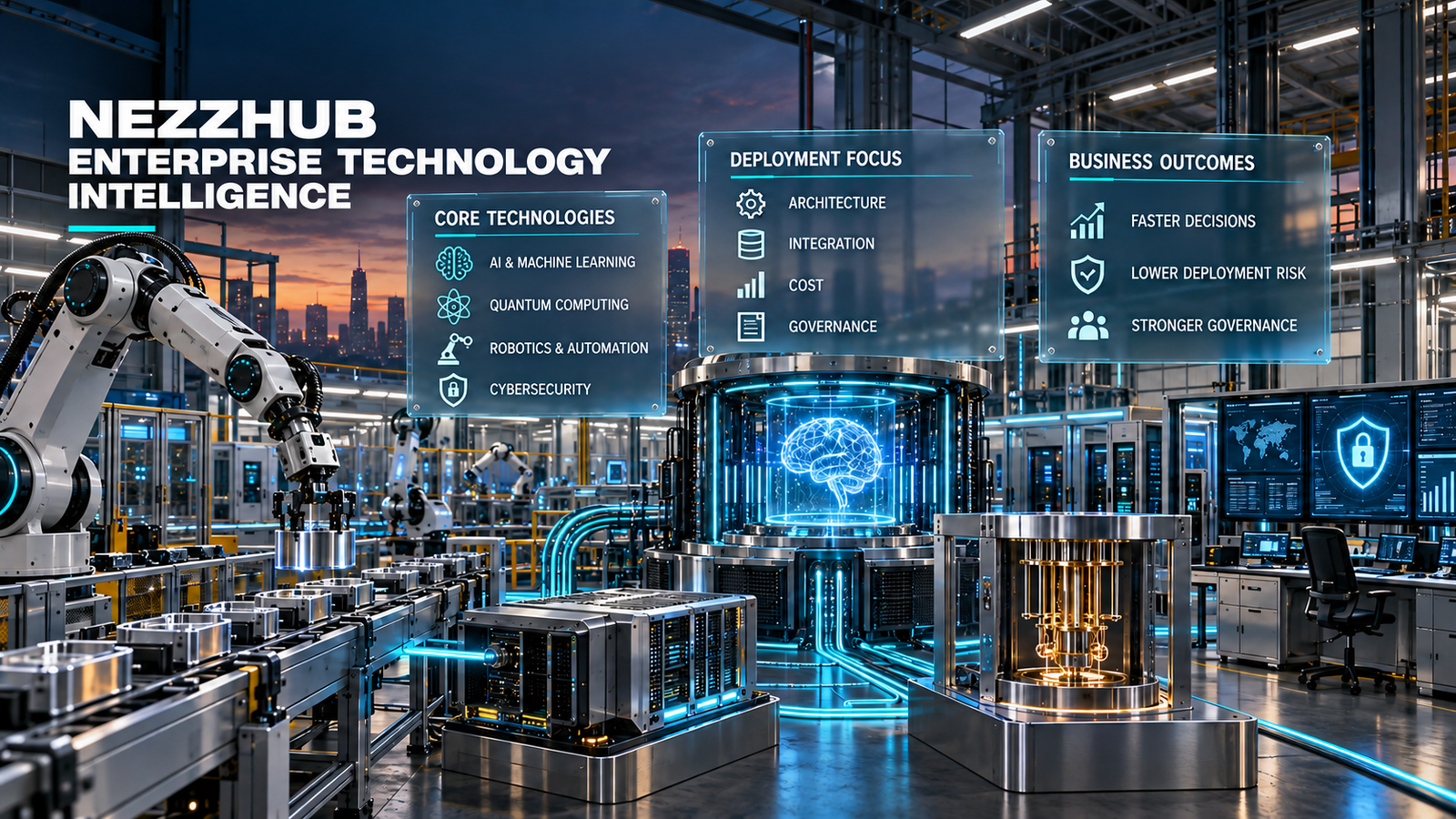
NezzHub examines enterprise artificial intelligence, quantum computing, robotics and automation, enterprise cybersecurity, and technology innovation in the United States. Our research connects technical architecture with integration risk, operating cost, commercial readiness and responsible deployment.
NezzHub Flagship Guide
Understand AI Before Funding Deployment
AI procurement fails when teams select models before defining data quality, latency, security boundaries and measurable business outcomes.
The NezzHub flagship guide explains how artificial intelligence works and connects model capability with infrastructure cost, validation, governance and deployment controls.
Read the Complete Artificial Intelligence GuideEvaluate architecture fit, procurement exposure, governance and operating cost before committing capital.
Review integration boundaries, identity controls, observability, recovery and production-support requirements.
Compare practical tools, technical pathways and scaling constraints without relying on vendor-led conclusions.
Technology Taxonomy
Explore NezzHub Technology Categories
Each NezzHub research category addresses a different deployment layer. Choose the area closest to your operational question, then follow its connected guides into architecture, implementation, cost and risk.
Enterprise Artificial Intelligence
Model selection is rarely the only constraint. Data lineage, inference latency, retrieval quality, access control and human validation determine whether an AI workflow survives production use.
- Machine learning and model architecture
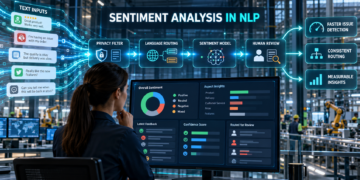
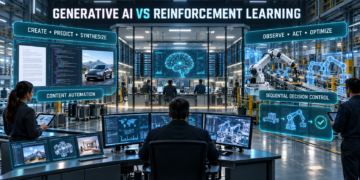
- Generative AI, NLP and computer vision
- Cloud inference and data pipelines
- Model risk and deployment governance
Quantum Computing
Quantum programmes must be measured against strong classical baselines. Error rates, circuit depth, queue time and hybrid orchestration remain central engineering constraints.
- Quantum hardware and processors
- Algorithms and molecular simulation
- Hybrid cloud quantum workflows
- Post-quantum security readiness
Robotics and Automation
Automation economics depend on the complete production cell. Tooling, safety controls, machine interfaces, recovery and maintenance often require more effort than the robot itself.
- Industrial robots and cobots
- Autonomous mobile robots
- Digital twins and simulation
- ROS, edge control and fleet software
Enterprise Cybersecurity
Security platforms cannot compensate for unmanaged identities, unpatched assets or untested recovery. Effective cybersecurity connects technology with ownership, monitoring and incident response.
- Identity, access and Zero Trust
- Cloud and network security
- Ransomware and incident response
- Data security and compliance
USA Tech & Innovation
Track American AI, robotics, quantum computing, healthcare technology, careers and regulation through an enterprise lens. Verified capability remains separate from forecasts and promotional roadmaps.
- USA technology companies and markets
- AI employment and technical careers
- Healthcare and biotechnology systems
- Regulation and industry developments
Selected NezzHub Research
Practical Guides for Technology Evaluation
Begin with these high-value NezzHub guides. Each article connects technical capability with deployment requirements, cost exposure and operational risk.
What Is Artificial Intelligence and How Does It Work?
Understand AI, machine learning, deep learning and generative systems before comparing platforms or funding deployment.
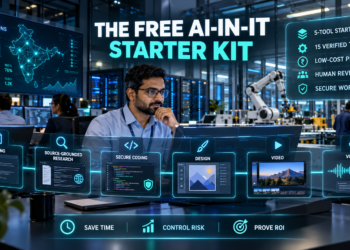
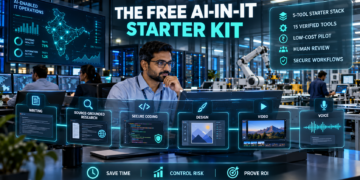
Explore the AI Business GuideThe Free AI-in-IT Starter Kit
Evaluate a practical AI tool stack while controlling data exposure, access, duplication and unmanaged software adoption.
Explore the AI ToolkitHow Neutral Atom Quantum Technology Is Designed and Built
Examine the engineering architecture, control systems, scaling constraints and commercial questions behind neutral-atom computing.
Explore Neutral Atom Quantum TechnologyRobotics and Automation Enterprise Guide
Assess robotics as a complete production system covering safety, tooling, interfaces, commissioning and lifecycle support.
Explore the Robotics Enterprise GuideEngineering Evaluation
Technical Performance and Cost Matrix
No performance or ROI claim should be accepted without a workload, baseline and measurement method. Use these evaluation fields to distinguish reproducible evidence from unsupported promotion.
| Technology | Architecture baseline | Performance evidence | Primary cost drivers | Critical trade-off |
|---|---|---|---|---|
| Enterprise AI | Approved data pipeline, model endpoint, identity layer and human review | Task accuracy, p95 latency, error rate and cost per completed workflow | Compute, tokens, data preparation, integration, evaluation and monitoring | Larger models may improve capability while increasing latency and operating cost |
| Quantum Computing | Best practical classical algorithm measured against a defined hybrid workload | Circuit fidelity, solution quality, queue time, repetitions and classical comparison | Specialist labour, simulation, processor access and experimentation | Research value may exist before production advantage is demonstrated |
| Robotics and Automation | Current cycle time, labour content, quality loss, downtime and safety exposure | Throughput, first-pass yield, availability, recovery time and safety validation | Robot, tooling, guarding, integration, commissioning and maintenance | High nominal speed can lose value when changeovers and recovery remain manual |
| Enterprise Cybersecurity | Asset inventory, identity model, threat exposure and tested recovery | Coverage, alert precision, detection time, response time and restoration testing | Licensing, telemetry storage, implementation, staffing and incident readiness | More alerts can increase workload without improving risk reduction |
| USA Tech & Innovation | Verified capability, available service and applicable regulatory scope | Documented deployments, procurement evidence, operating results and dated sources | Vendor dependence, migration, compliance, workforce and infrastructure | Announced capability is not equivalent to commercially available performance |
Risk Control
Risk Mitigation and Compliance Gateway
Technology governance begins before procurement. Assign ownership, classify data, define intended use and establish measurable control requirements before a pilot reaches production.
Govern Before Scaling
NIST AI RMF provides a voluntary structure for managing AI risk. A framework name alone does not prove that controls operate effectively.
EU AI Act obligations depend on the system, organizational role, risk classification, jurisdiction and applicable implementation date.
NIST CSF 2.0 can help organizations structure cybersecurity governance, identification, protection, detection, response and recovery.
Enterprise Deployment Checklist
- Ownership: Assign accountable business, technical, security and compliance owners.
- Inventory: Record models, software, data sources, interfaces, vendors and versions.
- Classification: Identify sensitive data, operational impact and legal obligations.
- Access: Enforce least privilege, strong authentication and controlled service identities.
- Validation: Test performance against a documented baseline and realistic failures.
- Monitoring: Capture logs, cost, drift, misuse, safety events and security anomalies.
- Response: Define containment, rollback, evidence preservation and communication.
- Review: Reassess controls when technologies, vendors or regulations change.
Editorial Trust
Why Readers Use NezzHub
NezzHub separates verified facts, editorial analysis and forward-looking projections. Technical and commercial claims should remain traceable to current documentation and authoritative evidence.
Source-Led Research
Research prioritizes primary sources, technical documentation and authoritative industry material where available.
Editorial Review
Technical, financial, cybersecurity and vendor claims are reviewed for accuracy, clarity and practical relevance.
Transparent Corrections
Substantive factual errors should be corrected clearly, while commercial relationships must not control technical conclusions.
Choose Your Research Path
Move From Technology Interest to Evidence-Based Evaluation
Use NezzHub research to compare technical readiness, infrastructure requirements, commercial exposure and governance risk before selecting a platform, vendor or deployment path.